
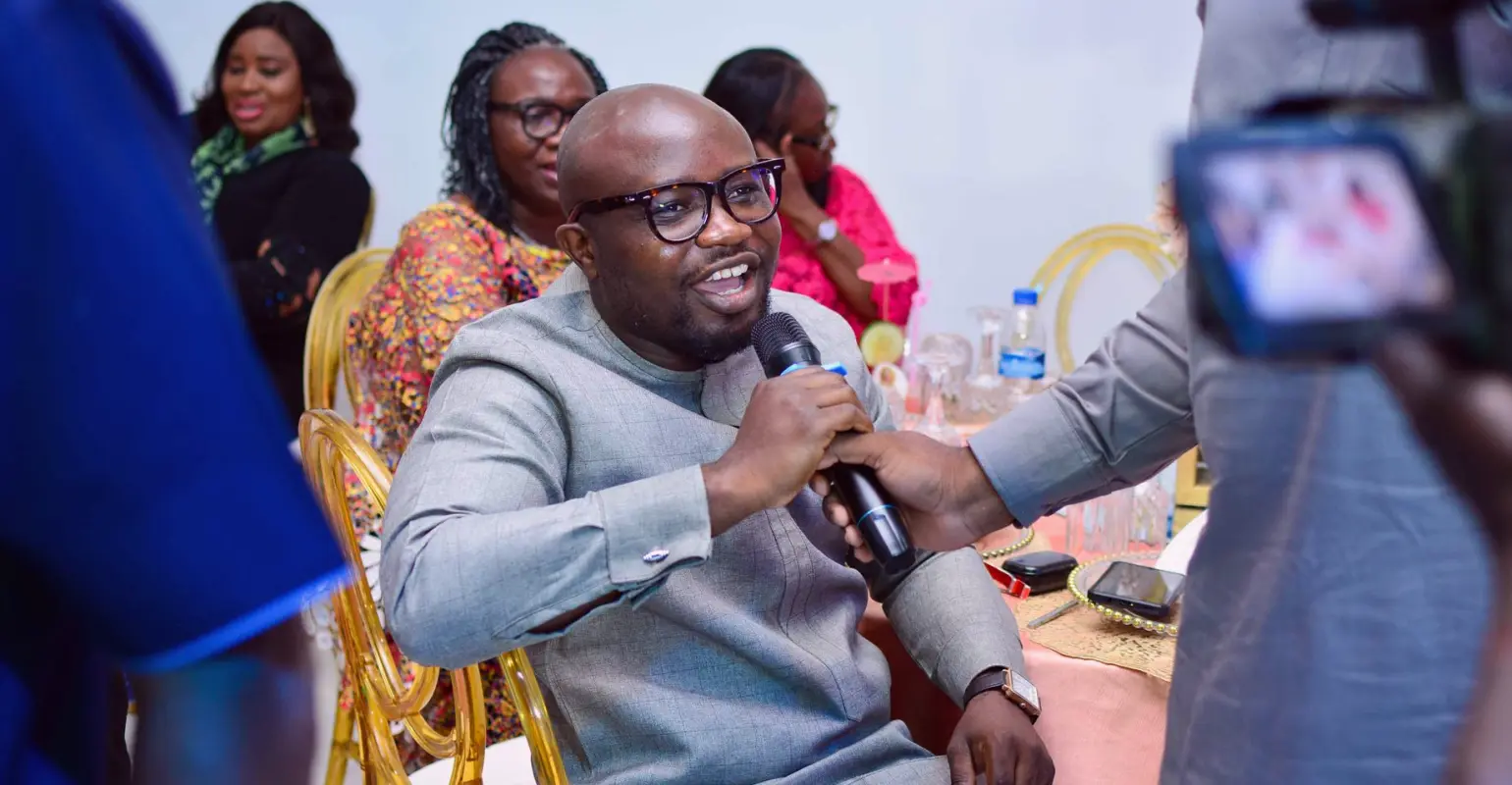
Preparing a Guest for a Studio Interview: A Practical Walkthrough
A step-by-step guide to getting a guest, a set and a sound check ready so a recorded television interview runs smoothly and the footage is usable the first time.
Start with the brief, not the booking
Most interview problems we see in the studio were set in motion days earlier, when nobody wrote down what the interview was for. Before a guest arrives, settle three things in writing: the running time the package has to fit, the two or three points the piece must carry, and where the footage will be used. A producer who knows the answer to those can brief the guest in two sentences and keep the conversation on track.
Send the guest a short note a day or two ahead. It should name the topic, the approximate length of the recording, the address and arrival time, and who will meet them at the door. Avoid sending a full list of questions, which tends to produce read-aloud answers, but do give the opening subject so nobody is caught cold.
Mid autumn adds a practical point: daylight fades early, and guests often travel in after work or in poor weather. Allow ten minutes more than you think you need for arrival, coats and a hot drink.
- Write down the running time and the key points
- Confirm address, arrival time and meeting contact
- Share the topic, not a scripted question list
Choosing the set and the framing
Decide on the shot before the guest sits down. A tight head-and-shoulders frame suits a single expert speaking to camera or to an off-screen reporter; a wider two-shot suits a conversation with a presenter. Pick one and light for it, because changing the framing halfway through means re-lighting and often means a gap in the recording that the editor has to cover.
Keep the background simple. A plain or softly lit backdrop with a little depth behind the guest reads well on television and avoids distracting the viewer. Remove anything that moves, reflects or carries readable text, including notice boards and glossy bookshelves, which catch light unpredictably.
Seat the guest on a chair that does not swivel or recline. A fixed seat, set slightly forward, keeps posture upright and stops the restless turning that makes a shot hard to cut.
Mark the chair position on the floor with tape so a re-take or a second guest sits in the same place.
Lighting a face for broadcast
Good interview lighting is mostly about the face, and it is built in layers. A soft key light sits slightly to one side of the camera and a little above eye level, a gentler fill reduces the shadow on the opposite cheek, and a small back light separates the shoulders from the background. Owen sets these by eye on a stand-in before the guest arrives, then adjusts for skin tone and clothing once they sit down.
Glasses are the usual trouble. If reflections show in the lenses, raise the key light a little or move it further to the side, and ask the guest to tilt the chin down a touch. Do not ask them to remove glasses they normally wear, since it can change how they look and feel on camera.
Check for hot spots on foreheads and bald heads. A light diffusion panel or a small reduction in output usually solves it without powder.
- Key light slightly off-axis and above eye level
- Softer fill on the shadow side
- Back light to separate guest from backdrop
Sound is half of the interview
Viewers forgive a slightly soft picture far sooner than muffled or noisy speech. A small clip-on microphone placed on the chest, roughly a hand's width below the chin, gives a consistent level and keeps the voice close. Run the cable under clothing where possible so it does not rub, and ask the guest to take off lanyards, jewellery and anything that clinks.
Do a proper level check by asking the guest to speak at the volume they will use, not to count to ten. A casual chat about their journey in works well and shows how their voice behaves. Listen on headphones for hum, air conditioning, and the buzz that comes from phones left near a cable.
Turn off phones completely, not just to silent. Vibration alerts and network interference can both appear in the recording and are very hard to remove later.
Running the conversation itself
Start with an easy question the guest can answer without thinking, usually about their role or what they do day to day. It settles nerves and gives the engineer a few seconds of natural speech to confirm levels before the substantive questions begin. Keep your own voice quiet and short, and resist filling pauses; a guest who has a moment to think often gives the cleaner answer.
Ask the guest to answer in full sentences that include the question's wording, so their reply makes sense when the question is cut out in the edit. If an answer runs long or wanders, it is fine to ask for it again in a shorter form. Say so plainly and kindly, and record it a second time.
Finish by asking whether there is anything they feel was missed. That final answer is often the most direct and useful of the session.
- Open with an easy, factual question
- Ask for answers that stand without the question
- Offer a second take when a reply runs long
Wrapping up so the edit is easier
Before the guest leaves, record ten seconds of room tone with everyone silent. Editors use it to fill gaps and smooth cuts, and it is far easier to capture then than to reproduce later. Also record a few cutaway shots if the story needs them, such as hands, a wide of the set or the guest walking in.
Log the session while it is fresh. Note the file names, the time codes of the strongest answers and any line the guest asked to repeat. A page of notes written in the first ten minutes saves the editor a long search through the recording.
Thank the guest and tell them roughly when and where the piece may appear, without promising a slot you do not control. Clear, honest follow-up is what makes people willing to return.
A studio interview goes well when the preparation is quiet and the recording is calm. Settle the purpose first, frame and light for the guest in front of you, treat sound as seriously as picture, and leave the editor a clean file with notes. None of it needs special equipment, only a short checklist followed each time, and a producer who is happy to ask for a second take.
Rhian Davies
Managing ProducerRhian has produced television news for over fifteen years and leads the editorial side of every commission.
Ask for a quote
- Call us
- 01792 410286
- By email
- hello@reportsia.net