
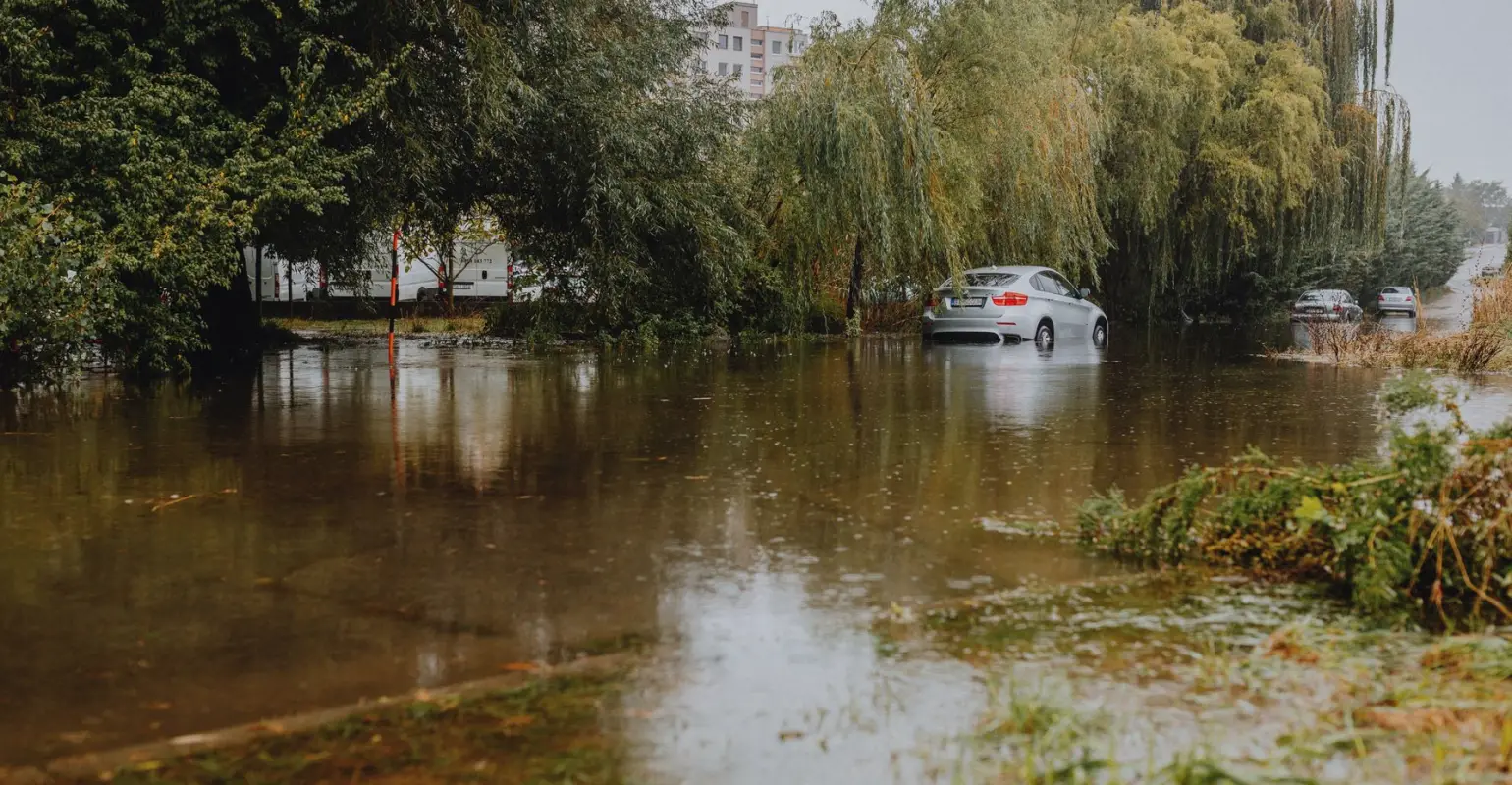
Reaching a flooded road before the evening bulletin: Gareth's story
A regional programme editor called us after a river burst its banks near a main road. Rhian Davies tells how a crew reached the scene and filed usable footage in time for the evening slot.
The call that came in mid-afternoon
Gareth edits a regional evening programme, and he rang us one wet afternoon with very little to go on. A river had risen faster than forecast, a stretch of main road was under water, and his own camera team was committed to another job two counties away. He needed pictures of the road, the stranded traffic and anyone willing to speak, and he needed them with enough margin to be cut into the early evening bulletin.
I took the call myself, as I do for most breaking commissions. The first minutes matter more than people expect, because what you ask at the start shapes the whole day. I wanted the exact road, the nearest safe place to park, the running time he could use, and the format his playout system accepted. Gareth had most of that to hand, which saved us a good quarter of an hour.
- Exact location and nearest safe access point
- Slot time and the latest file arrival he could accept
- Preferred format and frame rate for his system
Sending a crew with the right kit, not all the kit
Callum Price, our lead camera operator, took the job. In autumn rain the sensible choice is a lighter set-up: a handheld camera with a rain cover, a spare battery pack, a small tripod for steady wide shots and a radio microphone for interviews. A full studio-style kit would only have slowed him down on a flooded verge.
Callum was on the road within the hour. He rang me from the car park of a petrol station a mile short of the water to say the police had closed the approach, and that the best vantage point was a footbridge on higher ground. That kind of local detail is why we ask crews to ring in early rather than arrive and then report.
Filming what a producer can actually use
Breaking footage is only useful if an editor can cut it quickly. Callum worked from a short mental list: a wide establishing shot of the flooded road, a slow pan along the queue of stopped vehicles, close detail of water against kerbs and signs, and a few cutaways that would cover any join in the voice-over. He held each shot for at least ten seconds so nothing had to be stretched in the edit.
He also spoke to two residents and a council road worker, getting names spelt and permission to use the clips on air. Each interview was kept to a single clear answer about what had happened and what people should do next. Gareth later said the clean sound on those answers was what let him build the package without a reporter on site.
- Wide, medium and close shots of every key moment
- Ten seconds minimum on each shot
- Names and consent noted at the scene
Getting footage back while the story moves
Filming is half the job; the other half is delivery. From the footbridge Callum sent a short rough selection to our edit suite over a mobile connection while he carried on shooting. Priya Nair, our senior video editor, logged it as it arrived and flagged the strongest clips, so by the time the full card came back we already knew what the package would be built around.
This is where a good shot log earns its keep. Callum dictated notes on each clip, with times and a line on what it showed, and Priya worked from those rather than scrubbing through everything. The finished files reached Gareth's server well ahead of his deadline, which gave his team time to check the pictures and write their own lines around them.
What Gareth told us afterwards
When we spoke the next morning, Gareth said the thing he valued most was not speed alone. It was that nobody on our side had made him chase. He knew where Callum was, what had been shot and when the first files would land, because we had told him at each stage without being asked.
He also pointed out one thing we would do differently. The council worker's clip had been recorded with the road sign out of focus, which meant a second take was needed. Callum agreed, and it has since become a small habit of his to check focus on any fixed background before the person begins to speak. Small corrections like that are how a crew improves from one commission to the next.
Lessons we keep from that afternoon
Looking back, the job went well because three ordinary things were done in order: a clear brief at the start, a crew sized to the conditions, and a steady line of communication until the files were delivered. None of it is clever. It simply leaves less room for the usual losses of time on a breaking story.
If you commission fast filming from any crew, it is worth agreeing in advance who is the single point of contact, what format you need and how long you can wait for the first clips. We ask those questions of every producer who calls, and Gareth's case showed again how much calmer the afternoon is when they are answered early.
- One named contact on each side
- Format and deadline agreed before the crew leaves
- Updates at set points, not only at the end
Gareth's flooded road was an ordinary breaking story, and that is the point. It was handled by a small crew, a clear brief and honest updates, not by anything unusual. We keep the same method for every rapid-response commission, whatever the weather, and we are glad when a producer tells us afterwards that the afternoon felt manageable. That is the measure we care about most.
Rhian Davies
Managing ProducerRhian has produced television news for over fifteen years and leads the editorial side of every commission.
Ask for a quote
- Call us
- 01792 410286
- By email
- hello@reportsia.net