
What We Pack for a Live Link-Up: Kit, Cables and Backups
A look at the portable camera, transmission and communication tools our crews rely on when a reporter goes live from location, and why each item earns its place in the bag.
Starting from the reporter's position
Every live link-up begins with a simple question: where will the reporter stand, and what must the viewer see behind them? Before we choose any equipment, we think about the spot itself. A harbour wall, a courthouse step and a flooded lane all ask for different tools, and the kit list follows the location rather than the other way round.
Our setups are built to be portable. A crew of two should be able to carry everything from the van to the position in a single trip, and be ready to transmit within a short time of arriving. That limit shapes what we buy, how we pack it and what we leave behind. Anything that cannot earn its weight in the bag is not carried.
I produce these commissions, so I tend to see the kit from the gallery side: a good setup is one where the studio never has to ask what is going on at the other end.
The camera and its support
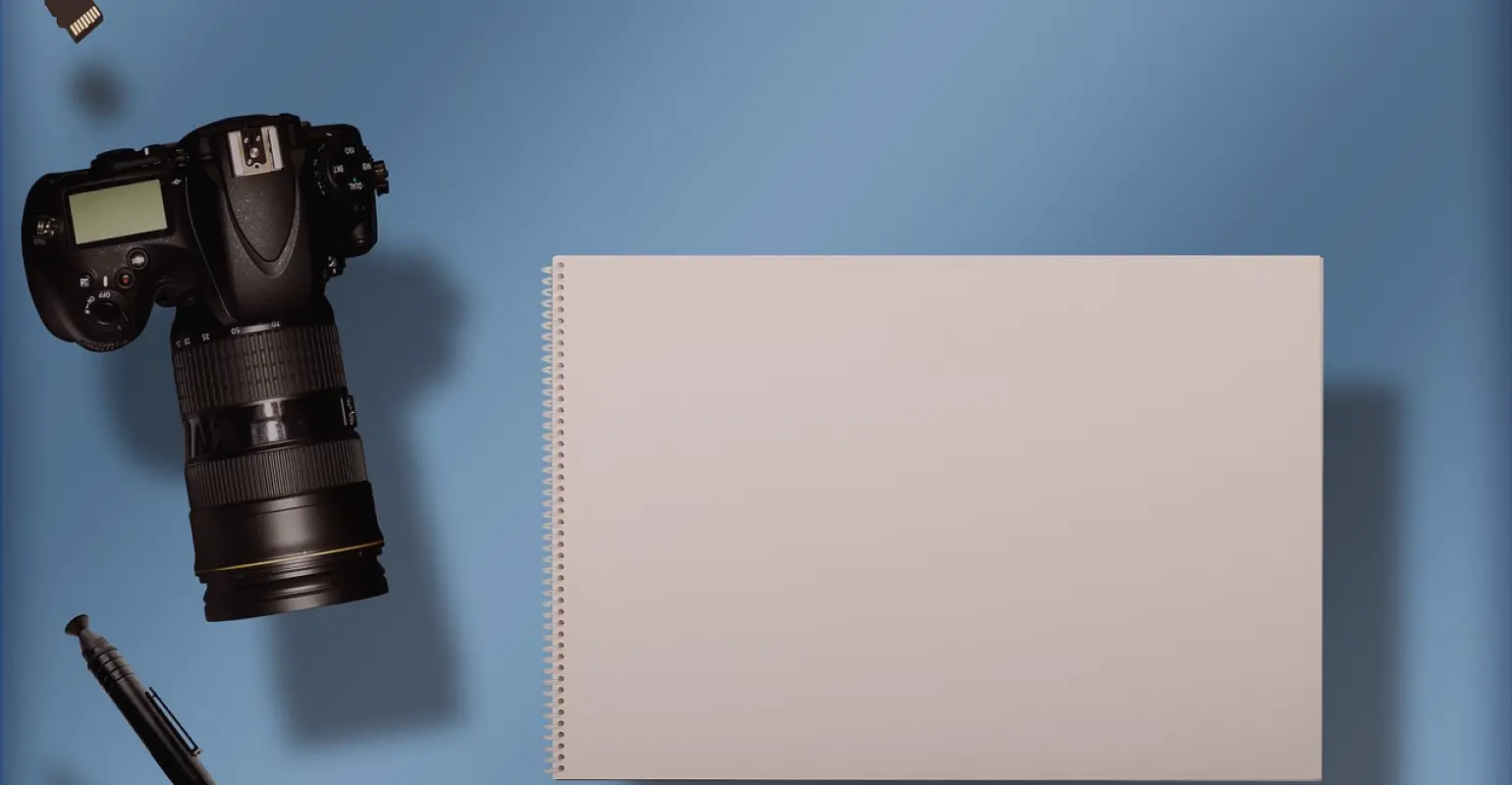
For live work we favour a broadcast camera on a sturdy tripod with a fluid head, because a steady frame matters more on air than any clever angle. Callum Price, our lead camera operator, sets the height and framing first, then checks it against what the reporter will actually do: stand still, walk two paces, or point at something off to one side.
A second, smaller camera body stays in the case as a fallback. It is not used on air unless the main unit fails, but it has saved a link-up on more than one cold, wet morning. Spare batteries are charged and labelled, and we rotate them so none sits unused for weeks.
We also carry a compact lamp and a reflector. Autumn light on the coast changes fast, and a reporter who looks fine at rehearsal can be in shadow by the time the studio cues them.
- Broadcast camera with fluid-head tripod
- Smaller backup camera body
- Charged and labelled spare batteries
- Compact lamp and reflector for changing light
Getting the picture back to the studio
Transmission is the part viewers never see and producers worry about most. We carry a portable transmission unit that can use more than one mobile network at once, so a weak signal on a single provider does not end the broadcast. We test the connection at the position before the reporter is briefed, not after.
Where a location is poor for signal, we look for a better position within reasonable reach of the story, even if it means a slightly less dramatic backdrop. A clean picture from a slightly plainer spot is better than a dramatic one that freezes.
We also keep a recorded feed running locally. If the link drops, the footage is not lost, and it can be sent as a package afterwards.
Sound, talkback and the producer on call
Audio fails more often than video, and viewers forgive a soft picture sooner than a muffled voice. We use a handheld microphone with a wind cover as standard, and a lapel microphone as a second route. Both are monitored on headphones by the crew throughout.
The reporter also wears an earpiece for talkback, so the studio can give cues and the gallery can pass on a change of running order. Without it, a reporter is guessing when the presenter will turn to them.
A producer is on call for the whole link-up, reachable by phone and by talkback. That person watches the feed as the viewer sees it, and flags problems the crew on location cannot judge from behind the camera.
- Handheld microphone with wind cover
- Lapel microphone as a second route
- Earpiece for talkback to the gallery
Power, weather and the small things
Much of what keeps a link-up running is unglamorous. A cable tester, gaffer tape, a spare set of leads, rain covers for the camera and a folding umbrella for the reporter all live in the same case. We pack them in the same order each time so anyone on the crew can find them in the dark.
Power is checked before we leave the studio: batteries charged, a mains lead in case a nearby building can supply it, and a portable power pack for the transmission unit. In mid autumn the days are shorter and colder, which drains batteries faster, so we plan for less runtime than the labels promise.
None of this is exciting, but nearly every problem we have met on location came down to something small that was not packed.
Checking everything before we leave
Before any link-up crew leaves Swansea, the kit is switched on and tested as a working chain: camera to transmission unit, transmission unit to the studio, sound to headphones. A test at the bench catches a faulty lead far more cheaply than a test on a windswept pavement.
Owen Griffiths looks after the equipment and keeps a log of repairs and replacements, so we know which items have been trouble before. If a cable has failed twice, it goes in the bin rather than back in the bag.
When we arrive, we run a short rehearsal with the studio, then hold the position and wait for the cue. The routine is dull on purpose; a dull routine leaves attention free for the story.
A good live link-up is mostly preparation that nobody sees: a steady camera, a transmission route with a backup, clear sound and a producer watching the feed. The kit is deliberately modest and carried by two people, because the aim is a reliable picture and a calm reporter. If you are planning a live position and want to talk through what it needs, get in touch through the contact page.
Rhian Davies
Managing ProducerRhian has produced television news for over fifteen years and leads the editorial side of every commission.
Ask for a quote
- Call us
- 01792 410286
- By email
- hello@reportsia.net